What Does Devolution Mean for Communities Like Ours?
NewsNews Story
The Government's recent decision to make culture an official responsibility within the Devolution Bill feels like a moment worth pausing on. For the first time, culture will be a formal duty of Strategic Authorities – and for those of us who have spent years making the case for its value, that matters.
But as welcome as this shift is, the question I keep coming back to is: which communities will actually feel the difference?
At Orchestras Live, we work across England, coastal towns, rural areas and smaller post-industrial communities that rarely feature in national conversations about culture. What we see, again and again, is that these are places with real cultural life – heritage, creativity, pride – which often goes unrecognised and unsupported due to long-term underinvestment.
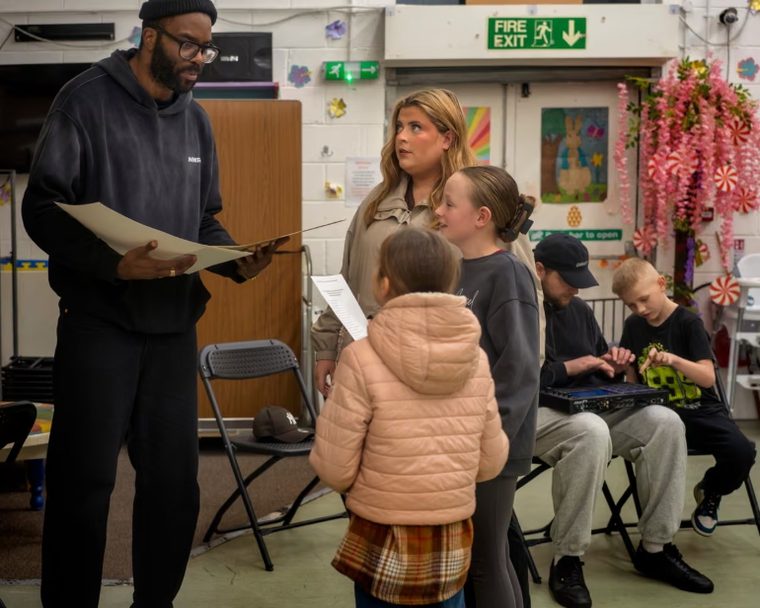
A recent Guardian piece about one of our projects in Scarborough, for instance, brought this into sharp focus. The young people we work with there are creative, engaged and full of ambition. But they also face real barriers – limited transport, seasonal employment, a sense that opportunity exists elsewhere. Devolution only delivers for them if the communities they live in are explicitly part of the picture, not treated as peripheral to strategies built around city centres.
The other thing our experience tells us is that short-term funding rarely creates lasting change. So much cultural investment still arrives through one-off pilots and short funding cycles. While that activity is valuable, it doesn't give places the stability to build something that lasts.
We've been working with East Riding Council to develop a way of measuring the longer-term social value of cultural activities, and on a project in Withernsea we found that £8.73 of social value was generated for every £1 spent. This kind of evidence matters, not just for funders, but for Mayors and Combined Authorities who are now being asked to think about culture as part of their wider responsibilities for health, skills and community wellbeing.
Short-term funding rarely creates lasting change. While that activity is valuable, it doesn't give places the stability to build something that lasts.
There is now real opportunity for the cultural and creative lives of these communities to grow, provided investment policies look beyond culture as an official responsibility, and integrate it within long term partnerships to improve people’s lives. The places we work in don't lack creativity or ambition. What they need is sustained political attention, the right infrastructure, and the long-term investment to unlock it.